

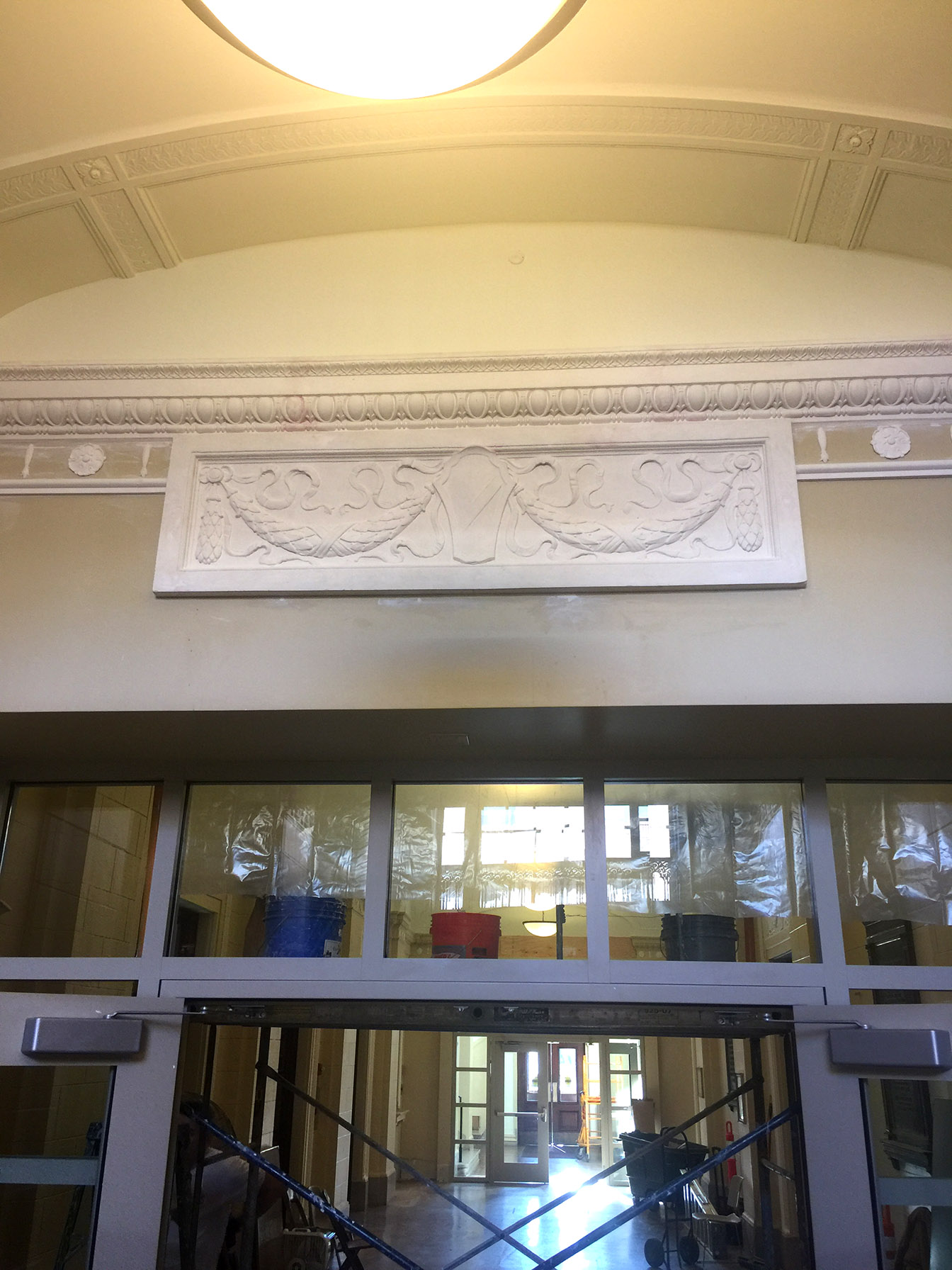
University Of Illinois: Plaster Frieze Repair
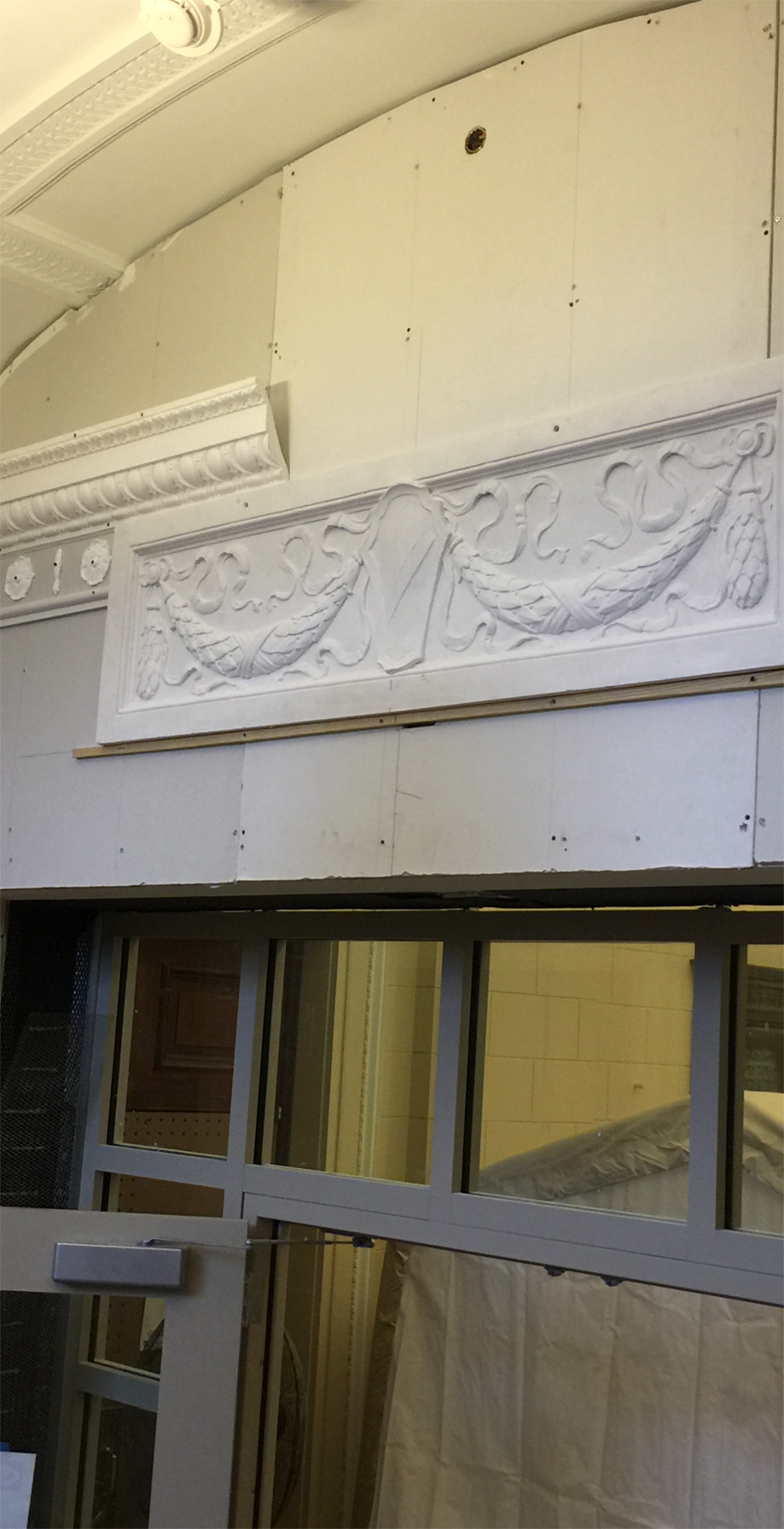
As a design element, plaster friezes are used to break up large expanses of wall or ceiling and can also be used alongside cornice. Often decorated with intricate designs, the frieze in a building on the University of Illinois campus was in need of help.
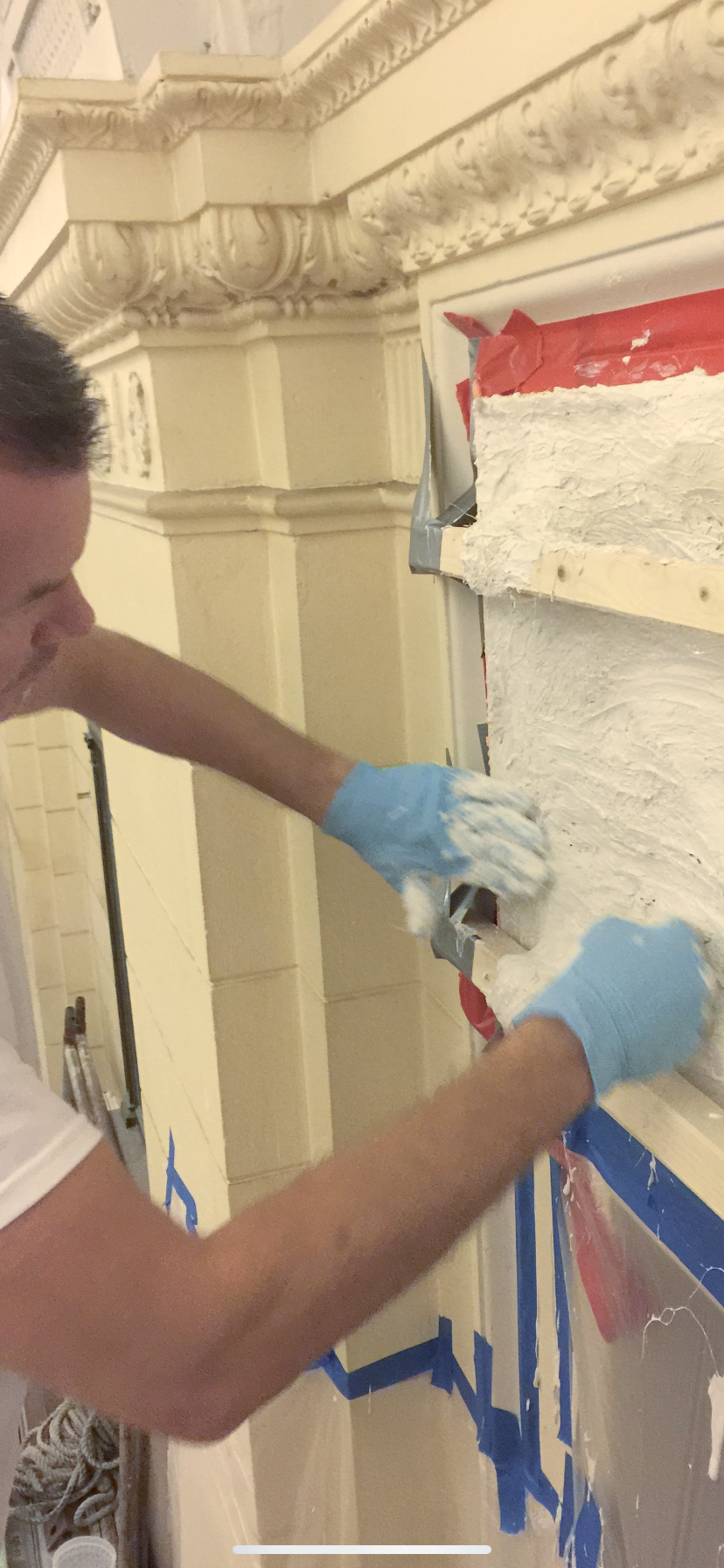
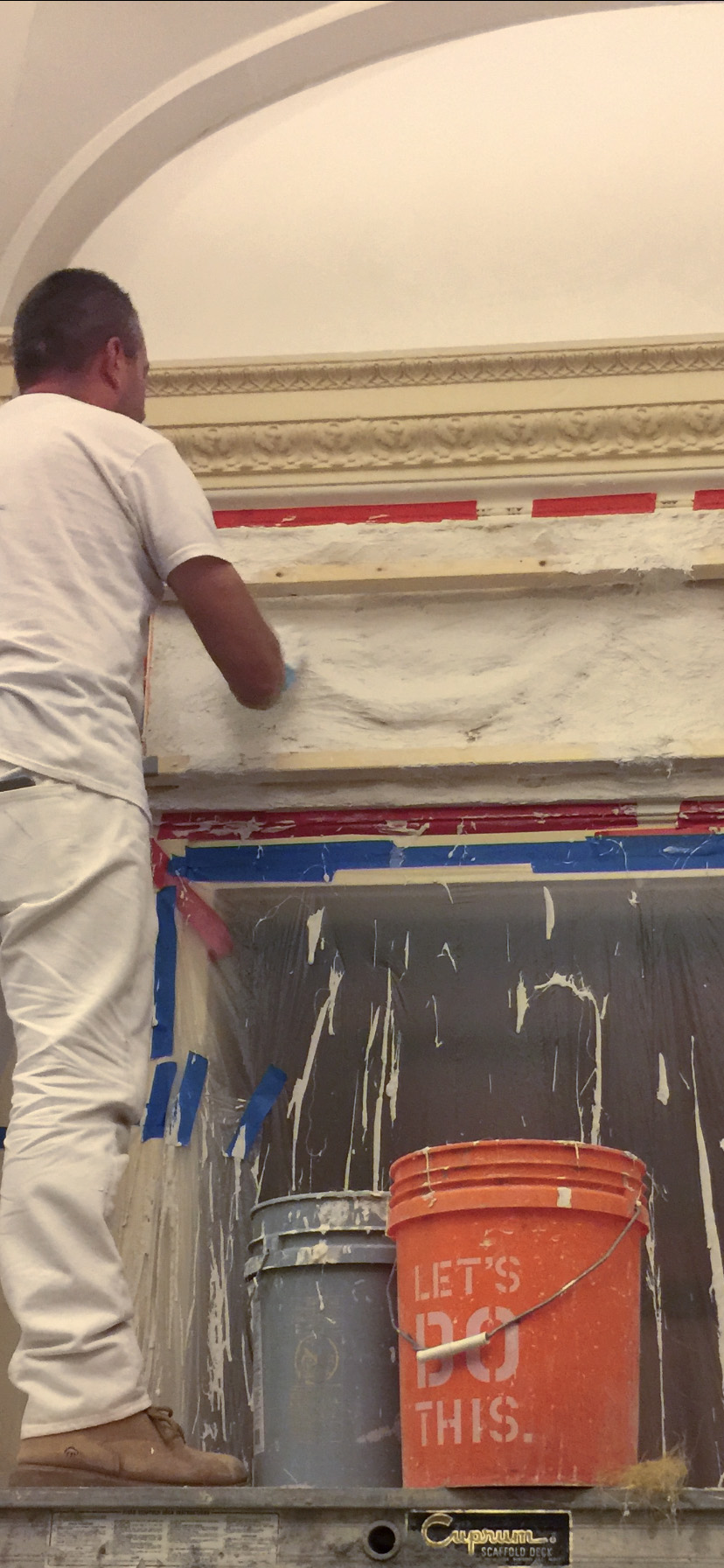
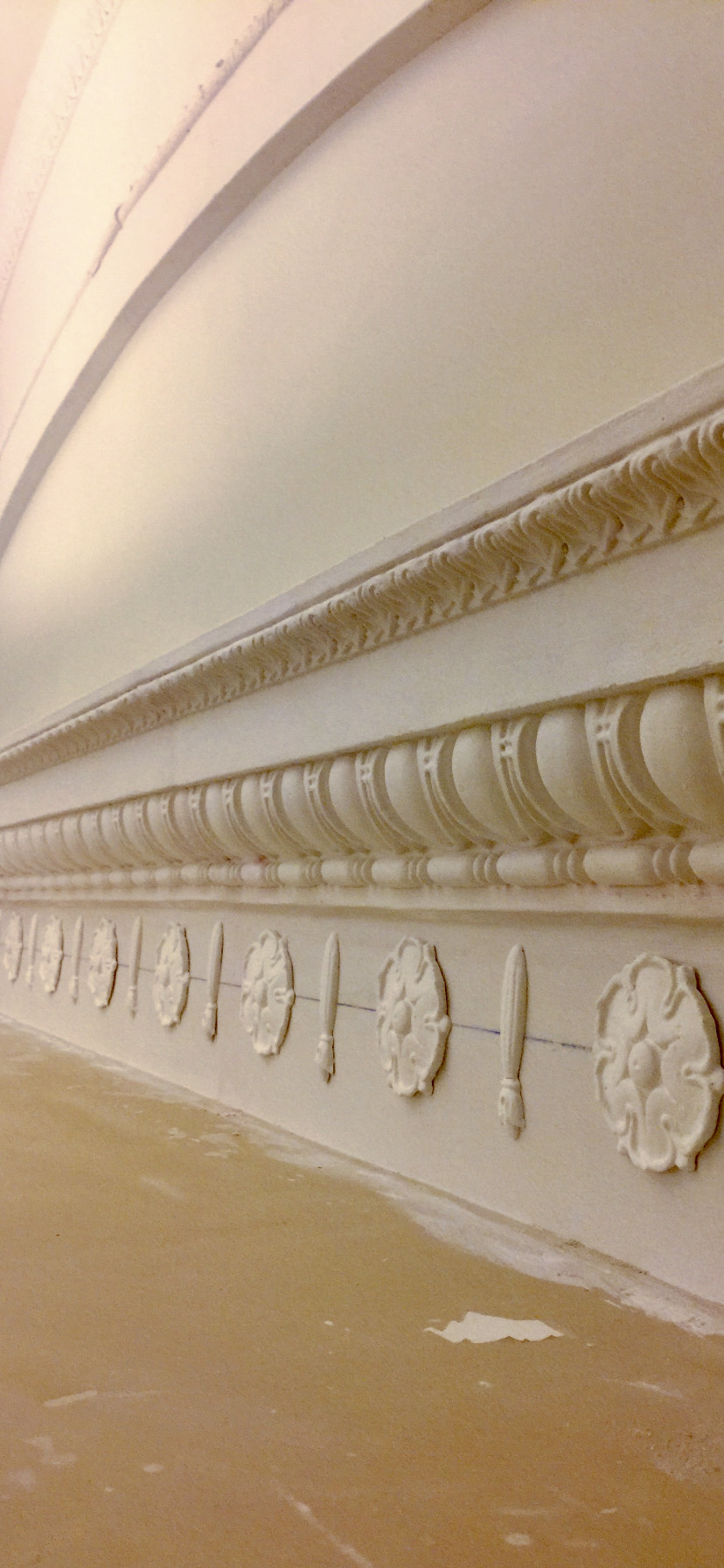
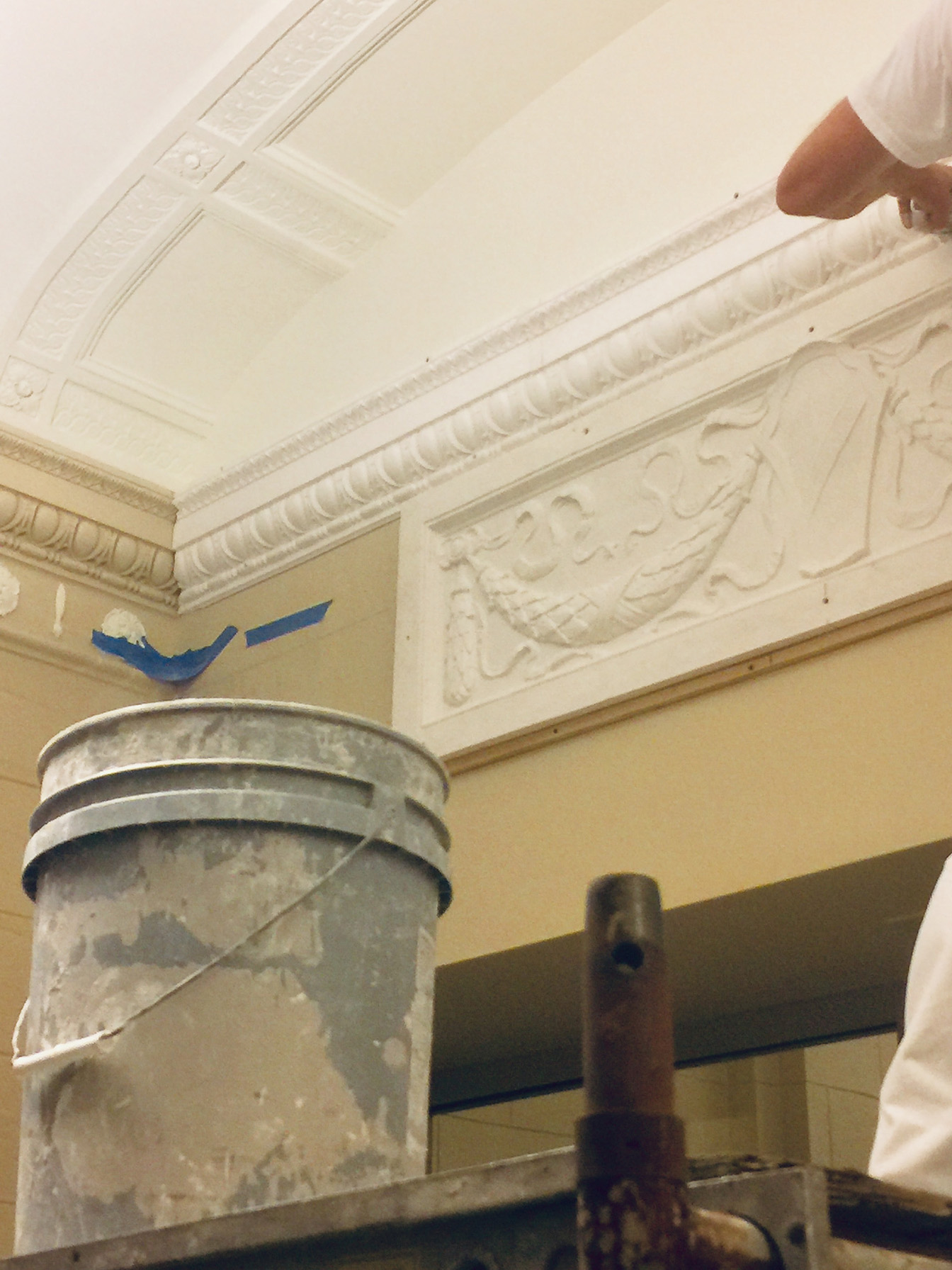
The ZMartin Plastering crew were chosen to restore and replicate completely missing ornaments in an existing, damaged plaster frieze, which required the expertise and skill of master plaster craftsmen.
The process began with a comprehensive examination of the frieze to assess the extent of the damage and determine which ornaments are missing. Using archival photographs, historical records, and any existing fragments of the original frieze as references, craftsmen meticulously recreated the missing ornaments.
This often involves sculpting new plaster pieces by hand, a painstaking process that requires precision and attention to detail. The craftsmen carefully studied the style, proportions, and intricate details of the existing frieze to ensure the replicated ornaments seamlessly blend with the surrounding elements.
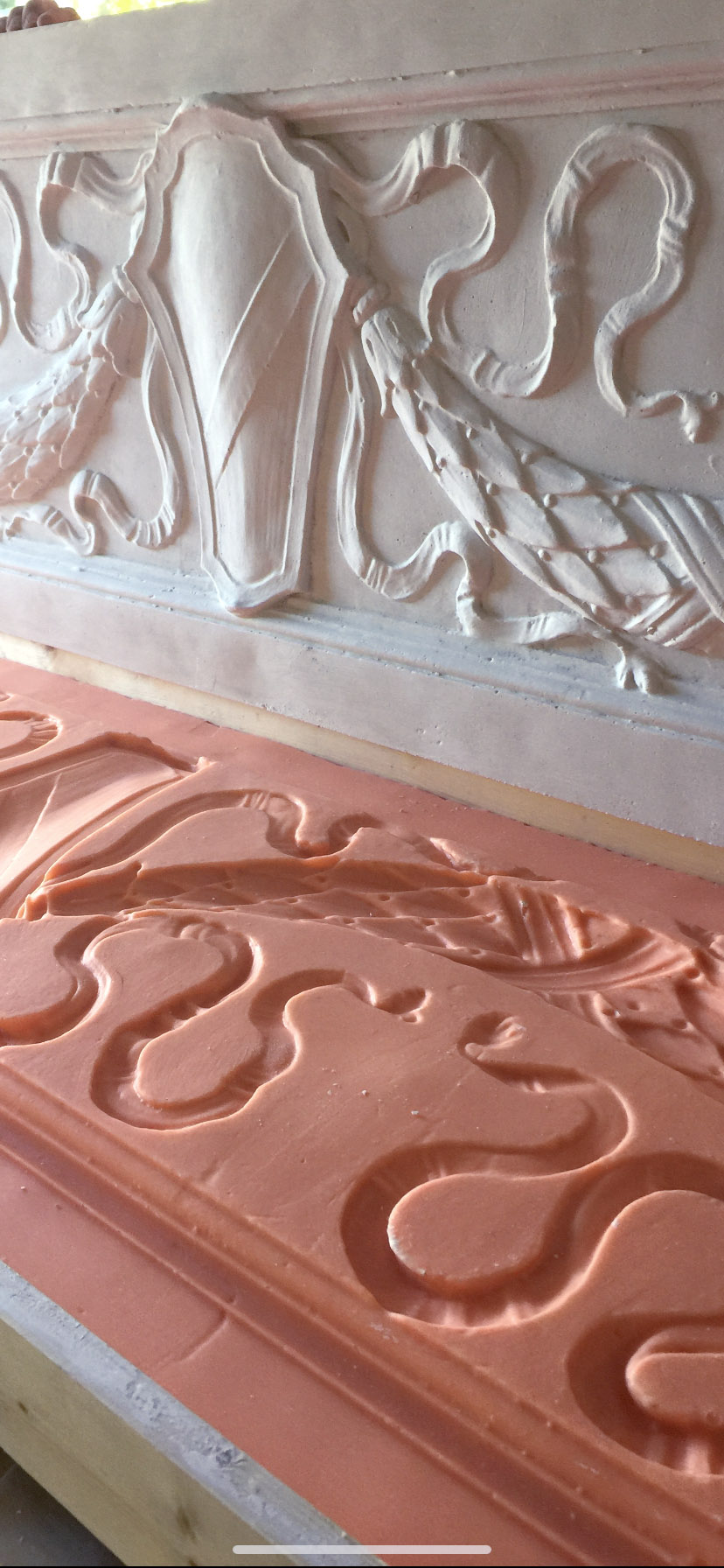
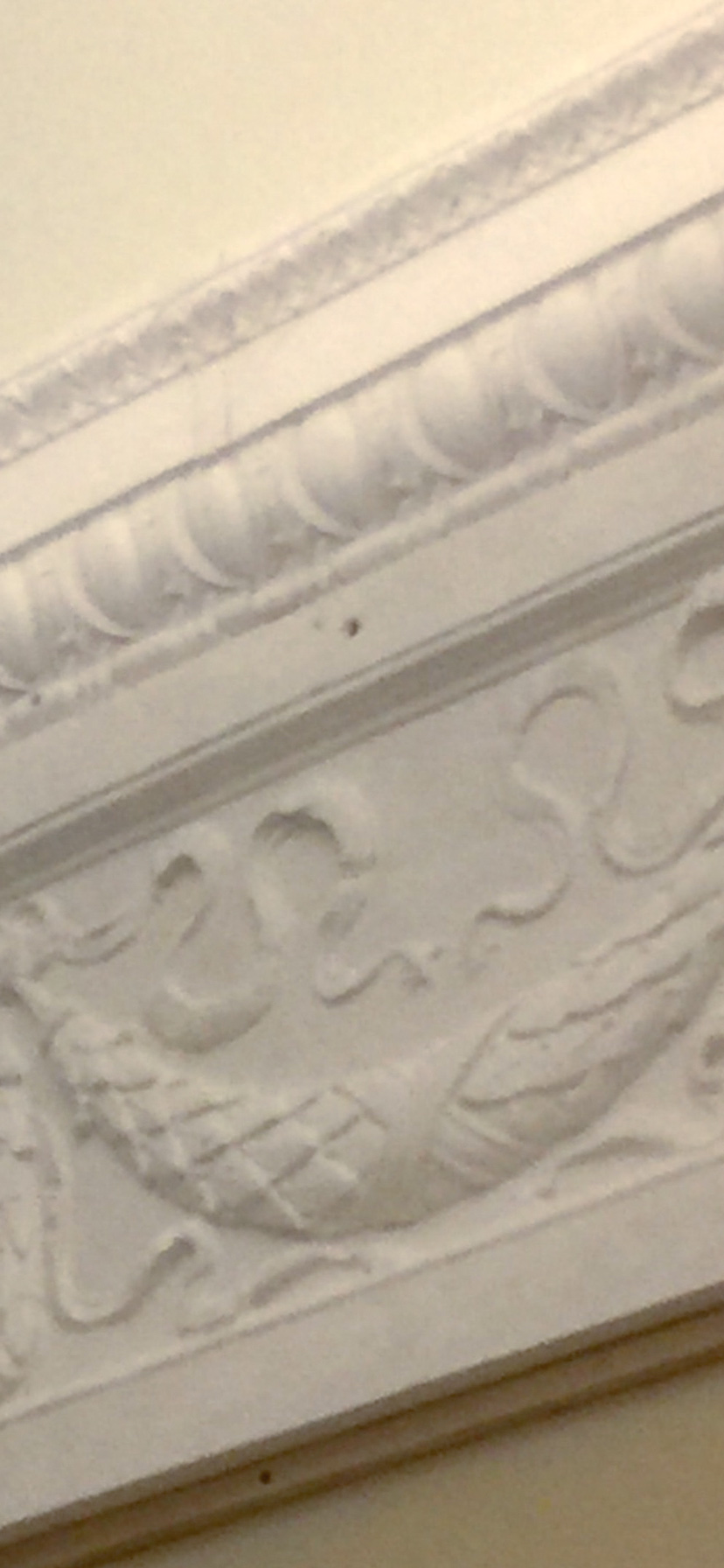
To replicate the texture and finish of the original plaster, our craftsmen employed traditional techniques such as molding, casting, and sculpting. Each ornament was crafted with care, ensuring that it matches the color, shape, and surface texture of the existing frieze. In many cases, our skilled artisans may also utilize specialized tools and materials to achieve the desired level of intricacy and authenticity.
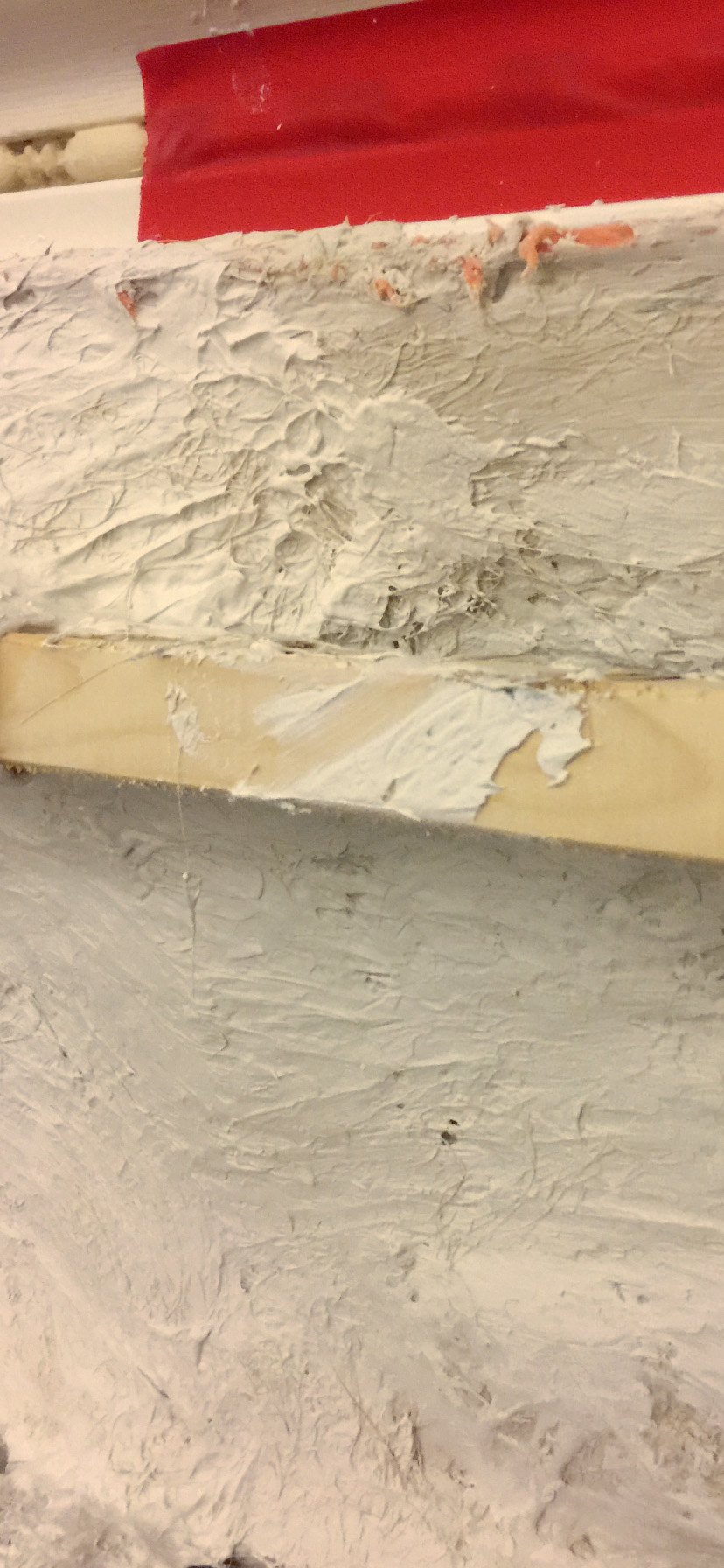
Once the replicated ornaments are complete, they are carefully installed onto the damaged frieze using a combination of bonding agents and plaster compounds. Great care is taken to ensure that the new additions seamlessly integrate with the existing plaster surface, creating a cohesive and visually harmonious restoration.
Throughout the process, our master plaster craftsmen uphold the highest standards of craftsmanship and attention to detail, striving to honor the original design and integrity of the frieze while breathing new life into its damaged elements.
The result was a restored masterpiece that not only preserves the historical significance of the frieze but also showcases the skill and dedication of the artisans who brought it back to its former glory.